Ես ընտրել եմ այս նախագծերը՝
- Մշակութային նախագիծ
- «Մայիսյան Հայաստան» նախագիծ
- Տեխնոլոգիական նախագիծ
- Ամառային ճամբար. անգլերեն
Մխիթար Սեբաստացի կրթահամալիրի քոլեջ 3-3 կուրս
Սովորողներին ծանոթացնել տարբեր երկրների մշակույթների հետ։ Առավել լավ տեղեկանալ այլ երկրների մշակույթների հետ։
«Մխիթար Սեբաստացի» կրթահամալիրի ուսանողներ, ցանկացողներ։
Մայիսի 25-ից մինչև հունիսի 5-ը
merihoveyan@mskh.am
shushaniknersisyan@mskh.am
elmirabasmarjyan@mskh.am
Մերի Հովեյան, Շուշանիկ Ներսիսյան, Էլմիրա Բասմարջյան
Մասնակիցներ՝
Անահիտ Աբգարյան
Մարիամ Շախվերդյան
Գայանե Մարգարյան
Կարինե Նարսեսյան
Վարդուհի Սաղաթելյան
Անի Հարությունյան
Никогда не меняйте друзей.
Их нельзя разменять как монету.
Вы поймёте это поздней –
Ближе друга на свете нету.
Никогда не теряйте друзей,
Ту потерю ничем не измеришь.
Старый друг не вернётся к тебе,
Новым другом его не заменишь.
И не стоит друзей обижать –
Станет раной на сердце обида,
Хоть друзья и умеют прощать,
Дверь в их душу будет закрыта.
Нужно дружбу беречь всегда.
Это чувство длиннее века.
Лучший друг не предаст никогда,
Просто преданней нет человека!
А разве друга надо звать,
Когда темно в пути,
Когда дороги не узнать
И нету сил идти?
Когда беда со всех сторон,
Когда при солнце – ночь,
Да разве не увидит он,
Не ринется помочь?
Ведь он не сможет есть и спать,
Когда такое вдруг!
Но… если друга надо звать –
То вряд ли это друг…

Միջուկի բաղադրությունը. կընձմընձյուկ, համեմ, սամիթ, անանուխ (նանա), սոխ (կարելի է կանաչ սոխի փոխարեն օգտագործել մանր կտրատած գլուխ սոխ), եղինջ, սպանախ, բազուկի տերևներ, ավելուկ, թրթնջուկ, սըմսըմոկ, տըմտըմոկ, տըտըպաշար, պռավու պորտ (պառավի պորտ), ճըռճըռոկ, պտուտկուն, տեսնը, կյըռնանջուկ (գառան ականջ), մոխրաթալ (սպանախի տեսակ), կտավատի երիտասարդ տերևներ, խաղողի երիտասարդ տերևներ: Այդ բոլորը մանր կտրատել, խառնել իրար, ծածկել սրբիչով, որ չթառամի:
Խմորի բաղադրությունը. ալյուր, գոլ ջուր, աղ. հունցել այնքան, որ ստացվի պնդոտ, բայց փափուկ խմոր: Ծածկել սրբիչով, մոտ կես ժամ թողնել տաք տեղում:
Պատրաստման եղանակը. խմորը բաժանել փոքր գնդիկների, մոտ 5 սմ տրամագծով: 5 րոպե անց բարակ գրտնակել (լավաշի պես): Կանաչու պատրաստ խառնուրդին ավելացնել աղ, պղպեղ, ձեթ (մեկ հացի համար առնվազն երկու ճաշի գթալ), խառնել և տեղադրել բարակ շերտով խմորի վրա այնպես, որ բոլոր ծայրերից 1 / 1.5 սմ-ը բաց մնա: Ծայրերն իրար միացնել ժենգյալով հացի մեջտեղի մասում, ամրացնել: Ձեռքի ափով արդեն փակած խմորին զգույշ թակելով, լայնությամբ և երկարությամբ մեծացնել և դնել արդեն միջին կրակով տաքացած սաջի (կլոր կամ քառակուսի երկաթ է) կամ երկաթե վառարանի վրա:
 Թխել մոտ 10-12 րոպե: Թխված, դեռ տաք ժենգյալով հացը մեկ-մեկ շարել մաքուր տախտակի վրա: Ժենգյալով հացն իրար վրա դարսել կարելի է միայն հովանալուց հետո:
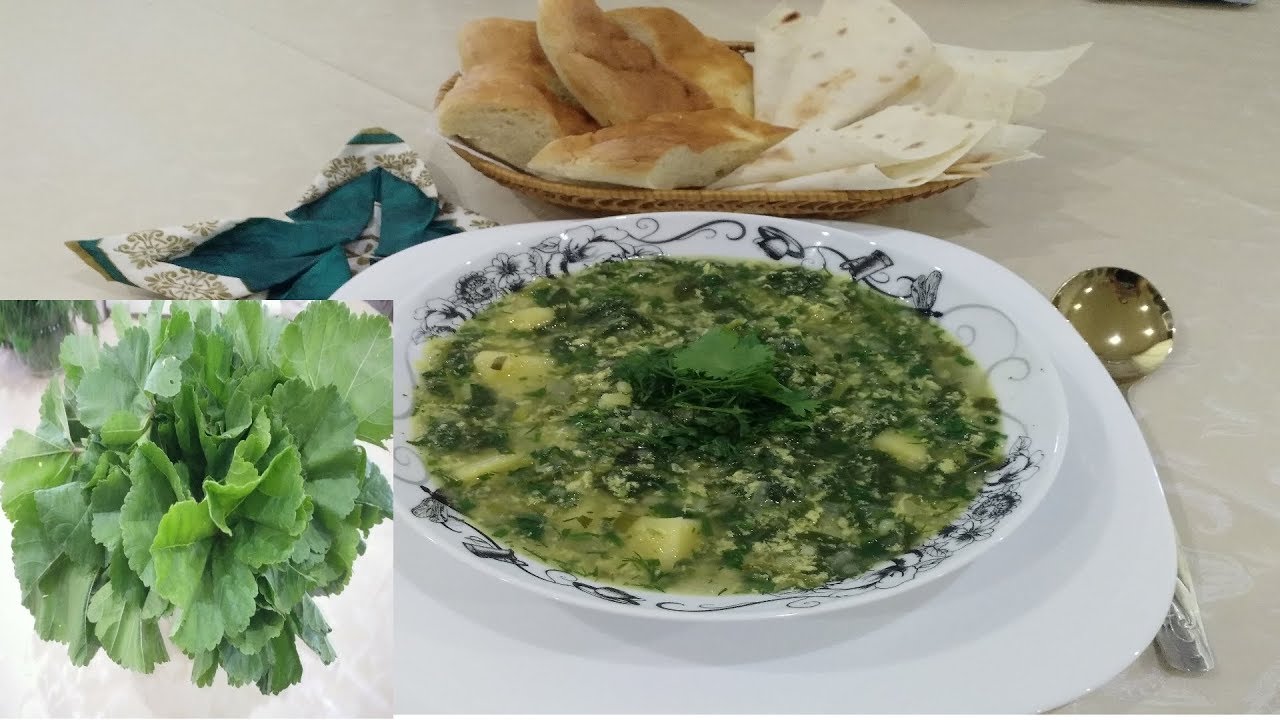
Եռացող ջրի մեջ եփում ենք կարտոֆիլը, որին ավելացնում ենք նախորոք լվացած և մշակած բանջարը: Առանձին թավայում բովում ենք սոխը, ավելացնում, և պատրաստի զանգվածը լցնում ենք ապուրի մեջ: Վերջում ավելացնում ենք աղ ըստ ճաշակի և հարած մեկ կամ երկու ձու և կանաչի:
1. Студент говорит: «Я живу в общежитии и учусь на медицинском факультете». Студент говорить что он живёт в общежитии и учиться на медицинском факультете 2. Моя сестра пишет: «Я тоже хочу учиться в университете». Моя сестра пишет что она тоже хочет учиться в университете 3. Мария говорит: «Я уже хорошо понимаю по-русски». Мария говорит что она уже хорошо понимает по-русски. 4. Наш преподаватель сказал: «На факультете учатся иностранные и студенты». Наш преподаватель сказал что на факультете учатся иностранные и студенты. 5. Артур сказал: «Я хочу хорошо знать русский язык». Артур сказал что он хочет знать русский язык.
Образец: Моя подруга спросила меня: «Ты согласна со мной?»
Моя подруга спросила меня, согласна ли я с ней.
1. Родители спросили сына: «Ты рад нашему приезду? Родители спросили сына, рад ли он их приезду. 2. Анна спросила учителя: «Вы будете проверять домашнее задание?». Она спросила учителя, будет ли она проверять домашнее задание 3. Мы спросили гида «Можно зайти внутрь?». Мы спросили гида можно ли зайти внутрь. 4. Дети постоянно спрашивали у вожатой: «Когда обеденный перерыв?» . Дети постоянно спрашивали у вожатого, когда будет обеденный перерыв. 5. Мы решили уточнить у продавца: «Будут новые поступления?». Мы решили уточнить у продавца, будут ли новые поступления.
Напишите, что вам или вашим друзьям нужно сделать.
1. Если вы хотите хорошо узнать город, в котором вы живёте нужно почаще выходить на прогулку. 2. Чтобы познакомиться с новыми людьми, надо подойти и поговорить с ними . 3. Если ваш друг хочет заниматься спортом, пусть пойдет в спортзал. 4. Если вы оставили телефон в автобусе, если возможно позвоните водителю и скажите, чтобы он вернул ваш телефон . 5. Чтобы организовать интересную экскурсию, надо взять тур . 6. Чтобы хорошо знать иностранный язык, нужно много трудиться.
Это тоже одно из самых любимых стихотворений, потому что оно очень жизненно. Я всегда так говорю кому надо помощь и я абсолютно согласна с каждой строчкой этого стихотворения.
Նկարչությունից՝
Էկոլոգիայից՝
Կազմակերպչից՝
Ռուսերենից՝
Անգլերենից՝
April 1

George Byron – about Armenia and Armenians
Read, translate, choose new words for vocabulary and write their definitions
Learn to tell (you can choose 1 or two subtitles)
Early Life
Lord Byron was born in 1788 in London under the full name George Gordon Noel, sixth Baron Byron. He was raised in Aberdeen, Scotland, by his mother after his father fled the family and died in 1791 in France. Byron inherited his title at the age of 10, though he later adopted his mother-in-law’s family name, Noel, in order to inherit half of her estate.
Portrait of Lord Byron, lithograph by Josef Eduard Teltscher c. 1825
Imagno/Hulton Archive/Getty Images
Byron’s mother was prone to mood swings and heavy drinking. Due to mistreatment by his mother coupled with a deformed foot and an uneven temper, Byron lacked discipline and structure in his formative years.
He was educated at Harrow School in London, followed by Trinity College at Cambridge, though he spent most of his time at the latter engaging in sexual relationships and sporting activities. It was during this time that he began writing and publishing works.
Travels
After completing his education at Cambridge, Lord Byron embarked on a two-year journey across Spain, Portugal, Malta, Albania, and Greece, from which he drew inspiration for Childe Harold’s Pilgrimage. After Byron finalized the separation from his wife, he left England permanently for Switzerland, where he spent time with the Shelleys.
He went on to travel across Italy engaging in promiscuous affairs, writing and publishing work along the way. He spent six years in Italy, where he wrote and released Don Juan.
choose one, learn it and make a video while reading
So, we'll go no more a roving
    So late into the night,
Though the heart be still as loving,
    And the moon be still as bright.

For the sword outwears its sheath,
    And the soul wears out the breast,
And the heart must pause to breathe,
    And love itself have rest.

Though the night was made for loving,
    And the day returns too soon,
Yet we'll go no more a roving
    By the light of the moon

We say go/come/travel to a place or event.
e.g. go to America return to Italy drive to the airport
come to my house take him to hospital to be sent to prison
we also say: on my way to…/ a journey to …/a trip to…/welcome to…
BEEN TO
We say “I’ve been to Italy”, “He has just been to the bank”
GET and ARRIVE
We say “get to” a place– get to London
BUT we say “arrive in” or “arrive at”– arrive in a town, arrive at the hotel.
HOME
We don’t say “to home” BUT we say go home/come home/ get home/arrive home/ on the way home
go into/get into = enter (a room/a building/a car…)
get into the car go into the room
We use by to say how we do something.
do something by hand
send something by post
pay by credit card, by cheque BUT in cash
OR something can happen
by accident by chance by mistake
We use by to say how we travel
by car by train by plane by boat by ship
by bus by bicycle
by road by sea by rail by air by underground
BUT we say on foot
Did you come here by car or on foot?
We say by car/by train BUT in my car, on the train, in a taxi
We say something is done by somebody.
The door was opened by somebody.
BUT
The door was opened with a key.
We say a painting by Rembrandt/ books by Agatha Christie/novel by Tolstoy.
BY also means next o/beside.
Come and sit by me.
The light is by the door.
1. What time does the train get to London?
2. What time does the train arrive in London?
3. What time did you get home last night?
4. What time do you usually arrive to work?
5. When did you get to the cinema?
6. We arrived home felling very tired.
7. Have you ever been to China?
8. We had lunch at the airport while we were waiting for our plane.
9.He has just returned to France.
10.Are you going to that party next week?
1. Three people were taken to the hospital.
2. Shall we take a taxi to the station or shall we walk?
3. I’m tired. As soon as I get home, I’m going to bed.
4. Welcome to the hotel. We hope you enjoy your stay here.
5. He opened the door and I got into the car.
6. A bird flew into the kitchen through the window.
7. Don’t wait outside! Come to the house.
Chance credit card chance hand mistake
1. We hadn’t arranged to meet. We met by chnace.
2. I didn’t intend to take your umbrella. I took it by mistake.
3. If you haven’t got any cash, you can pay by credit card.
4. I never suspected anything. It was only by chance that I found what had happened.
5. I didn’t put the pullover in the washing machine. I washed it by hand.
1. He usually goes to work by the bus.
2. I saw Jane. She was on the bus.
3. How did you get here? Did you come by train?
4. How did you get here? Did you come on the train?
5. Sorry, we are late. We missed the bus, so we had to come on foot.
6. I came home in a taxi.
7. “Romeo and Juliet” is a play by Shakespeare.
8. “War and Peace” is a book by Tolstoy.
9. I don’t mind going there in the car, but I don’t want to go in your car.
10. I know that music is by Beethoven, but I don’t know how it is called.
11. The photo is taken by a friend of mine.
12. There was a small table in the bed with a lamp and a clock on it.
 Էլմիրա Բասմարջյան